Water Depth
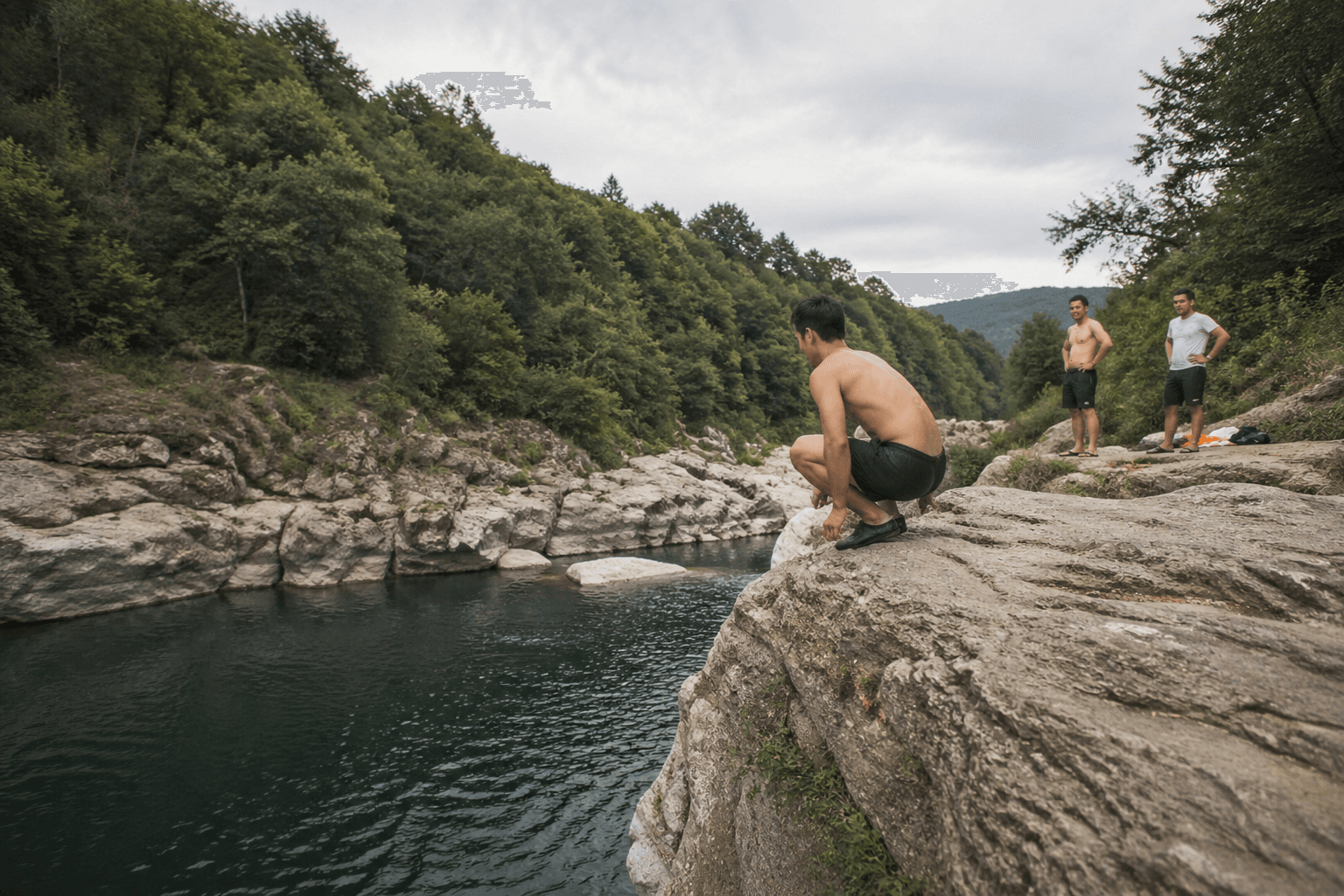
Check tide, surf, submerged rock, and swimmer traffic from water level before entering.

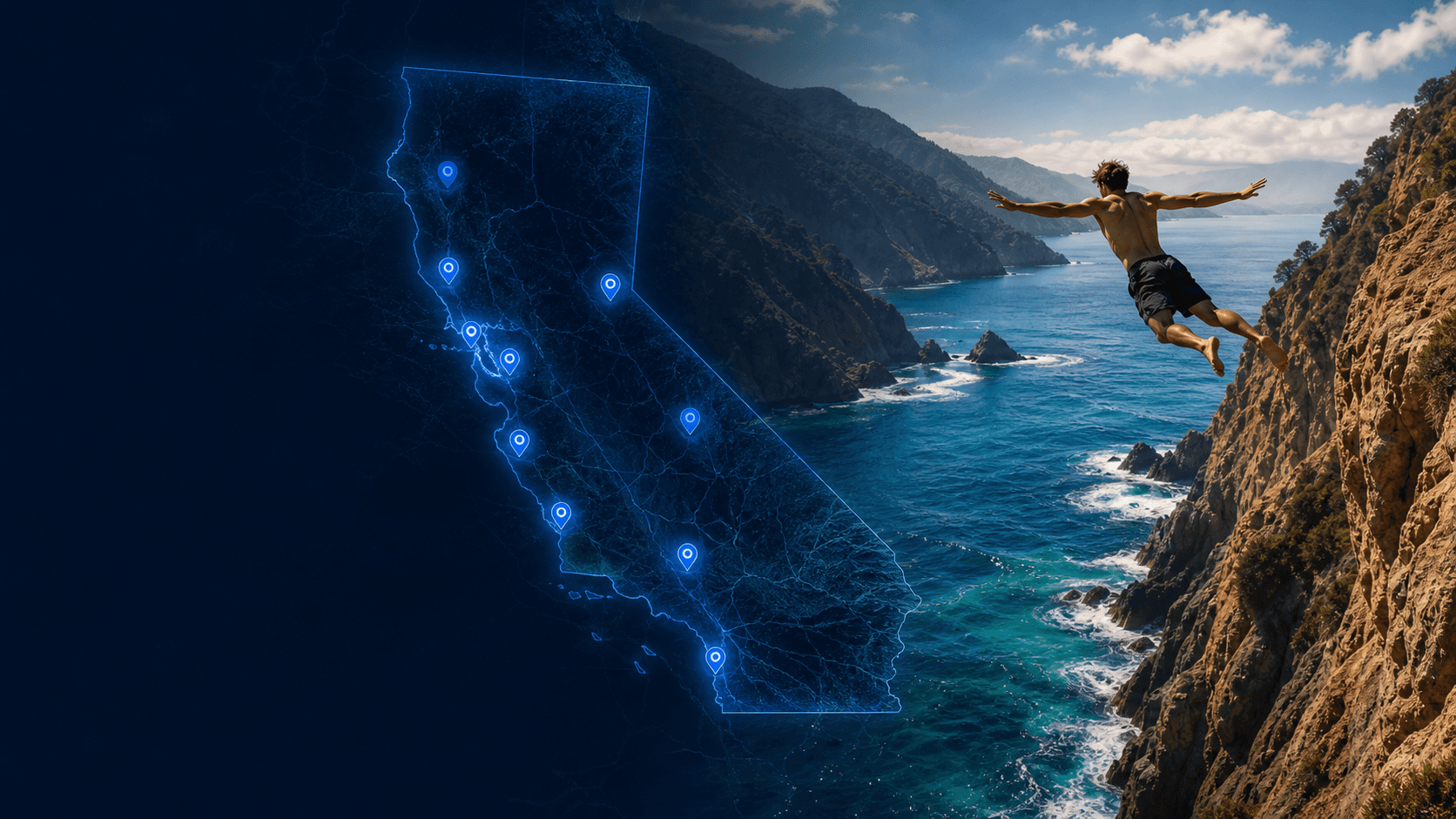
Corona Del Mar, California, United States
DANGEROUS WATER CONDITIONS*
Corona Del Mar is a cliff jump spot in Corona Del Mar, California, United States. Use it only after confirming access, inspecting the water from close range, and identifying a safe exit.
DANGEROUS WATER CONDITIONS: Surf, tidepools, rocks, crowding, and slippery exits are the main concerns.
Overview
Corona Del Mar is a low Pacific coast rock and tidewater spot in Corona del Mar, California in Corona Del Mar, California, United States. Treat it as an unstaffed cliff-diving reference point where access, water level, and the exact landing zone need a fresh local check before any visit.
Quick Answer
Corona Del Mar is a cliff jump spot in Corona Del Mar, California, United States. Use it only after confirming access, inspecting the water from close range, and identifying a safe exit.
Key Takeaway
DANGEROUS WATER CONDITIONS: Surf, tidepools, rocks, crowding, and slippery exits are the main concerns.
Quick Answer
Corona Del Mar is a cliff jump spot in Corona Del Mar, California, United States. Use it only after confirming access, inspecting the water from close range, and identifying a safe exit.
Key Takeaway
DANGEROUS WATER CONDITIONS: Surf, tidepools, rocks, crowding, and slippery exits are the main concerns.
Conditions and planning notes
Check tide, surf, submerged rock, and swimmer traffic from water level before entering.
Use legal beach or public shoreline access and respect closures, tidepool protections, and private property.
Expect wet rock, sand, tidepools, and crowded beach conditions.
Surf, tidepools, rocks, crowding, and slippery exits are the main concerns.
No ledge note is attached, so inspect the exact coastal edge before jumping.
Surf, tidepools, rocks, crowding, and slippery exits are the main concerns.
Map location
Corona Del Mar, California, United States
33.59519, -117.86773
Corona Del Mar sits around Corona Del Mar, California, United States, putting this coastal cliff spot in the orbit of Corona Del Mar and the broader California area of United States. Use the saved coordinates and current map view as a starting point, then confirm the exact approach locally because cliff-jumping access can change around parks, private land, roads, shorelines, and water-management areas.
In warmer dry regions, summer heat, drought, flash flooding, and reservoir levels can change the usable water quickly. Conditions are not static: rain, snowmelt, drought, changing water levels, current, and weekend crowding can all change what looks like the same jump from one visit to the next. Treat saved route notes as background, not as a present-day clearance to jump.
The main assumed risks include moving saltwater, hard exits, changing swell, hidden rocks, and delayed rescue access. Access should be treated as conditional until signs, land ownership, permits, and local rules are confirmed. Before anyone climbs to a ledge, inspect the landing zone from the water, identify the exit, look for submerged rocks or debris, and be willing to walk away if the depth, footing, legality, or rescue options are uncertain.
FAQs