How to check water depth for cliff jumping
Reading Water Depth
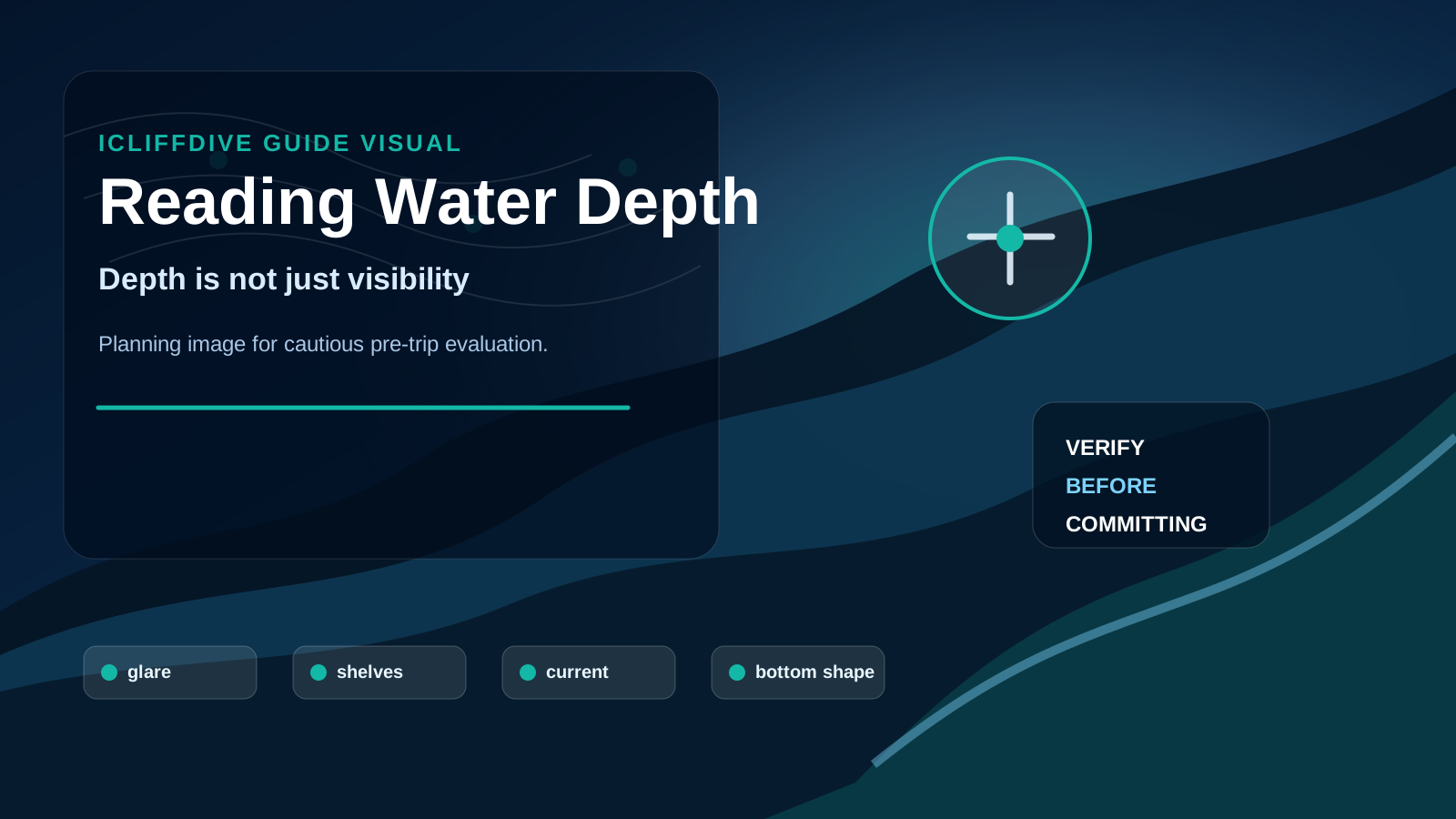
A practical guide to thinking about water depth, visibility, current, underwater hazards, and why a jumpable-looking pool still needs careful verification.
In this guide
Planning focus
How to check water depth for cliff jumping
Learn how to think about water depth for cliff jumping, including visibility, underwater hazards, changing conditions, landing zones, and conservative decisions.
1. Visibility is not the same as depth
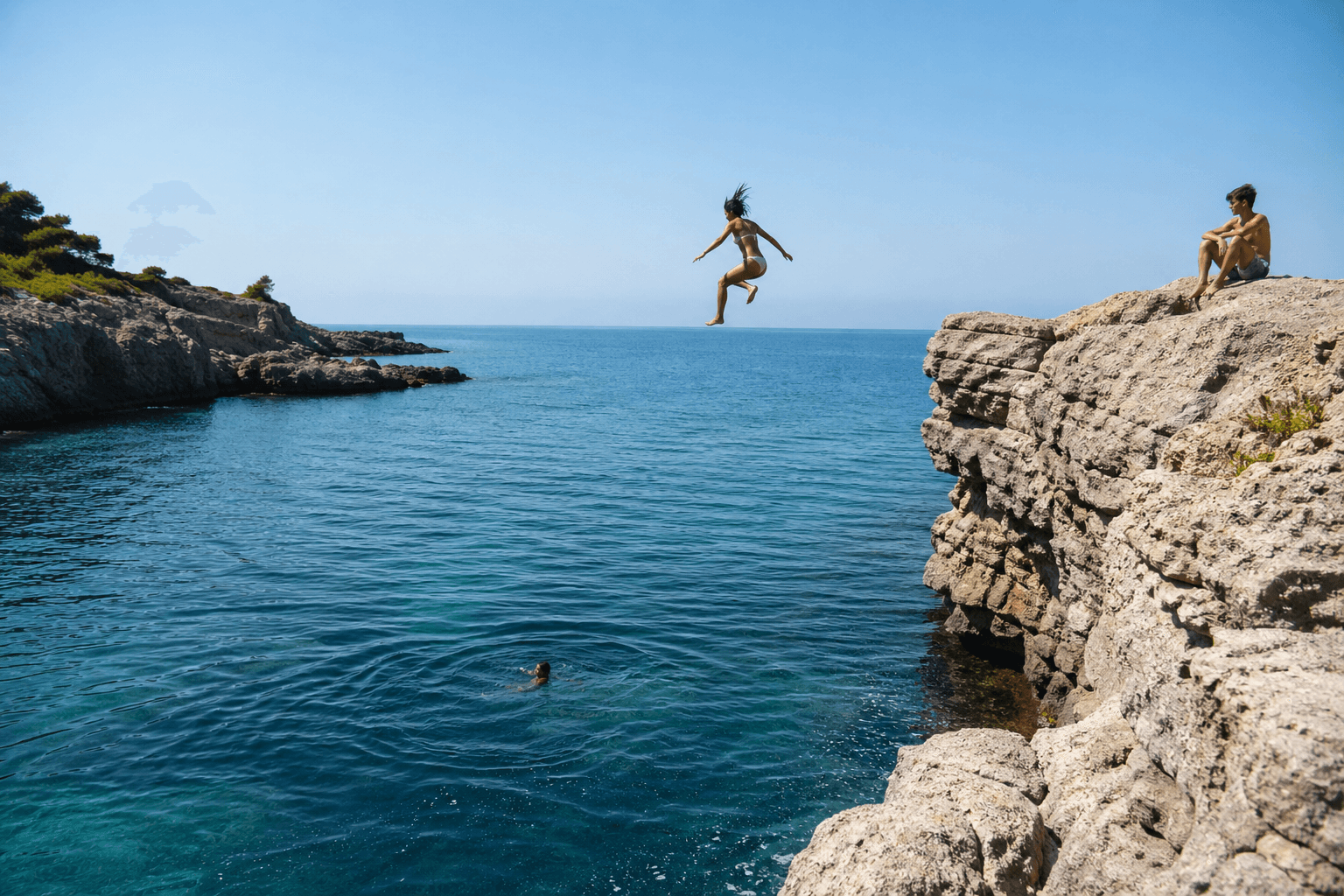
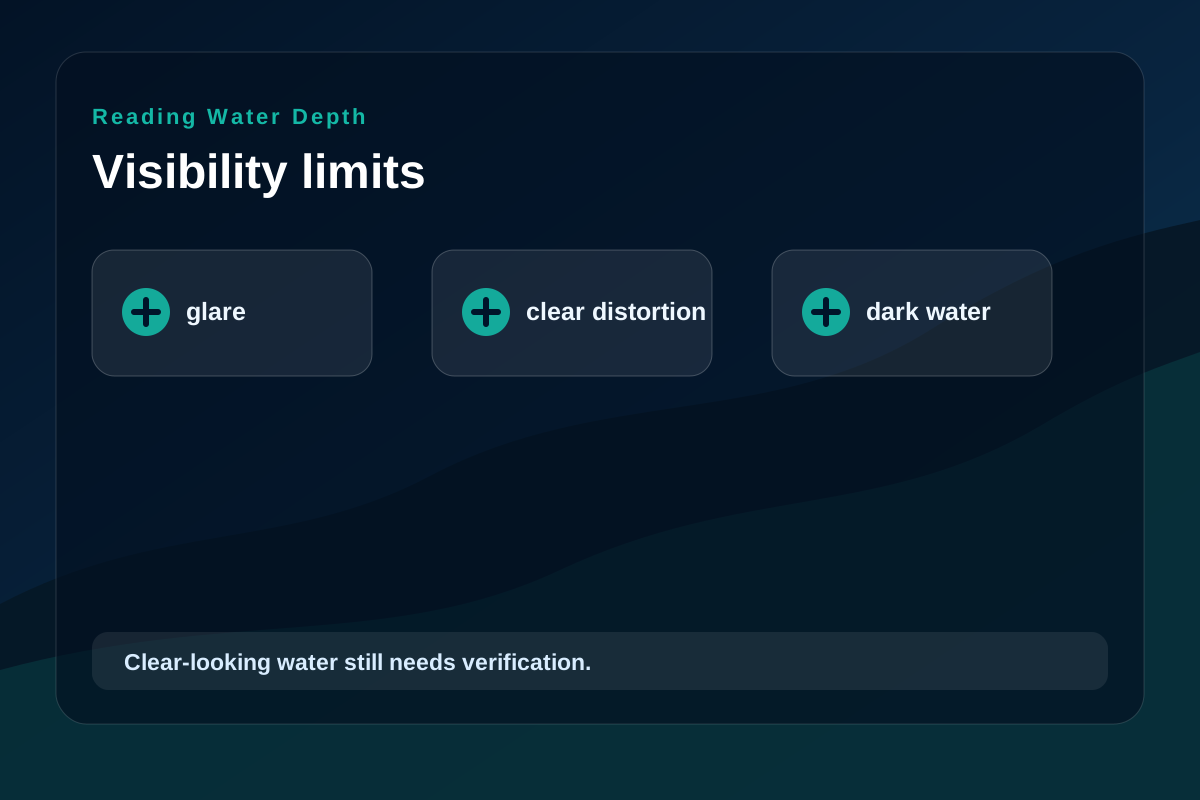
Clear water can distort distance, and dark water can hide usable depth or hidden hazards. Visual inspection is only a starting point for understanding a landing zone.
- Treat glare, foam, sediment, and shadows as limits on what you can know.
- Look from multiple angles when public access and terrain allow it.
- Do not assume darker water means deeper water.
- Use local, current information where official or staff guidance exists.
2. Read the landing zone, not the whole pool
A pool can be deep in one area and shallow where a jumper actually lands. The useful question is whether the exact landing zone is clear, deep enough, and free of hidden obstacles.
- Identify where momentum would carry a jumper, not only where the water looks best.
- Check for sloped bottoms, shelves, boulders, logs, and sudden shallows.
- Leave margin for imperfect body position and drift.
- Keep the landing zone empty before anyone enters from above.
3. Avoid fixed depth formulas
There is no universal depth number that makes a jump safe. Height, entry angle, body control, water movement, bottom shape, and the jumper's condition all change the risk.
- Do not reduce the decision to a single height and depth comparison.
- Be more conservative when the bottom is uneven or visibility is poor.
- Account for fatigue, cold water, wind, and crowd pressure.
- Choose a lower-consequence plan when any variable is unclear.
4. Conditions can move hazards
Storms, floods, waves, dam releases, and seasonal changes can move debris and sediment. A spot that was clear earlier can change before the next visit.
- Recheck after heavy rain, snowmelt, wind, or high water.
- Look for new branches, logs, rocks, and changed current lines.
- Watch how floating debris moves through the landing area.
- Treat low-water periods as a separate hazard, not a calmer version of the same spot.
5. Depth and exit are connected
The best landing zone still needs a realistic exit. Current, steep banks, slippery rock, cold water, and boat traffic can turn a deep pool into a poor plan.
- Confirm where a swimmer can exit before anyone jumps.
- Check whether current pushes swimmers away from the easiest exit.
- Look for boat lanes, fishing lines, surf, or other water users.
- Make sure the exit works for the least confident swimmer in the group.
6. Use spot notes as prompts to verify
iCliffDive spot notes can highlight known depth context, hazards, and access concerns. Use those notes to plan what to check, then verify the current location before making a decision.
- Read water depth notes alongside access, approach, and hazard notes.
- Compare nearby spots when one location has missing or uncertain information.
- Report outdated hazard or access details when you find them.
- Choose not to jump when the site cannot be verified well enough.
Reading Water Depth FAQs
How deep should water be for cliff jumping?
There is no fixed depth that makes every jump safe. The landing zone, height, body position, bottom shape, visibility, current, and exit all matter together.
Can clear water still be dangerous?
Yes. Clear water can distort distance and still hide shelves, sloped bottoms, or objects outside the brightest view. Clear does not mean verified.
Why recheck a familiar spot?
Water levels, debris, sand, rocks, and current can change after storms, seasonal shifts, dam releases, or heavy use. Familiar spots still need current checks.
What should I do if I cannot verify the bottom?
Do not jump. Pick another activity, another spot, or another day when the landing zone and exit can be checked more clearly.