Cliff jumping access rules
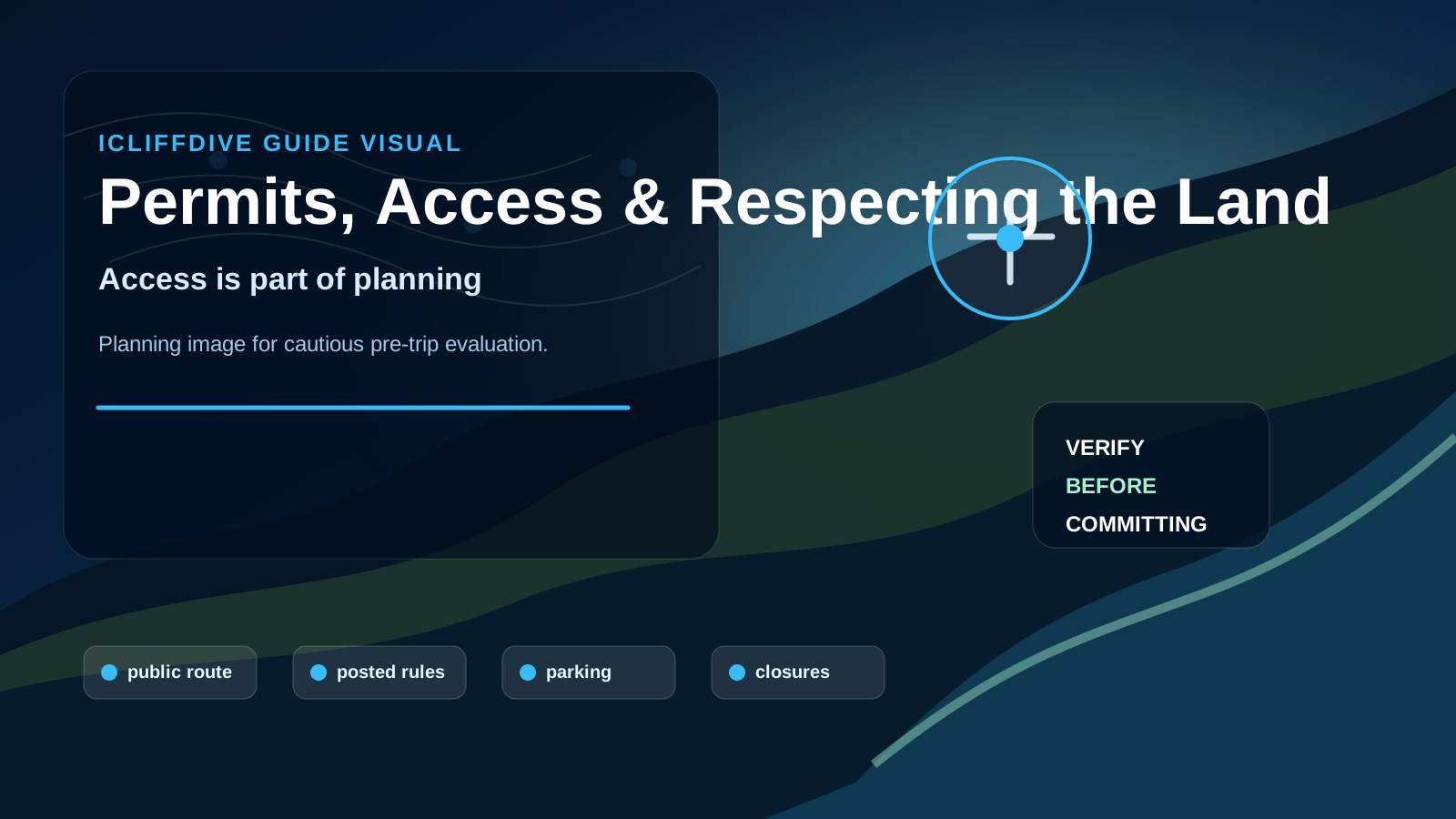
Permits, Access & Respecting the Land
A field guide to checking land ownership, access rules, seasonal closures, permits, and low-impact behavior around cliff jumping and cliff diving spots.
In this guide
Planning focus
Cliff jumping access rules
Plan cliff jumping access responsibly with guidance on land ownership, permits, park rules, closures, private property, Leave No Trace, and local impact.
1. Access is part of planning
A jump spot is not truly usable if the route crosses closed, private, restricted, or fragile land. Start with access before thinking about height or water.
- Check whether the route crosses private, tribal, park, utility, or protected land.
- Look for official park pages, land-manager notices, and posted signs.
- Confirm hours, seasonal closures, permit rules, and parking limits.
- Choose another plan when legal access is unclear.
2. Public water does not always mean public access
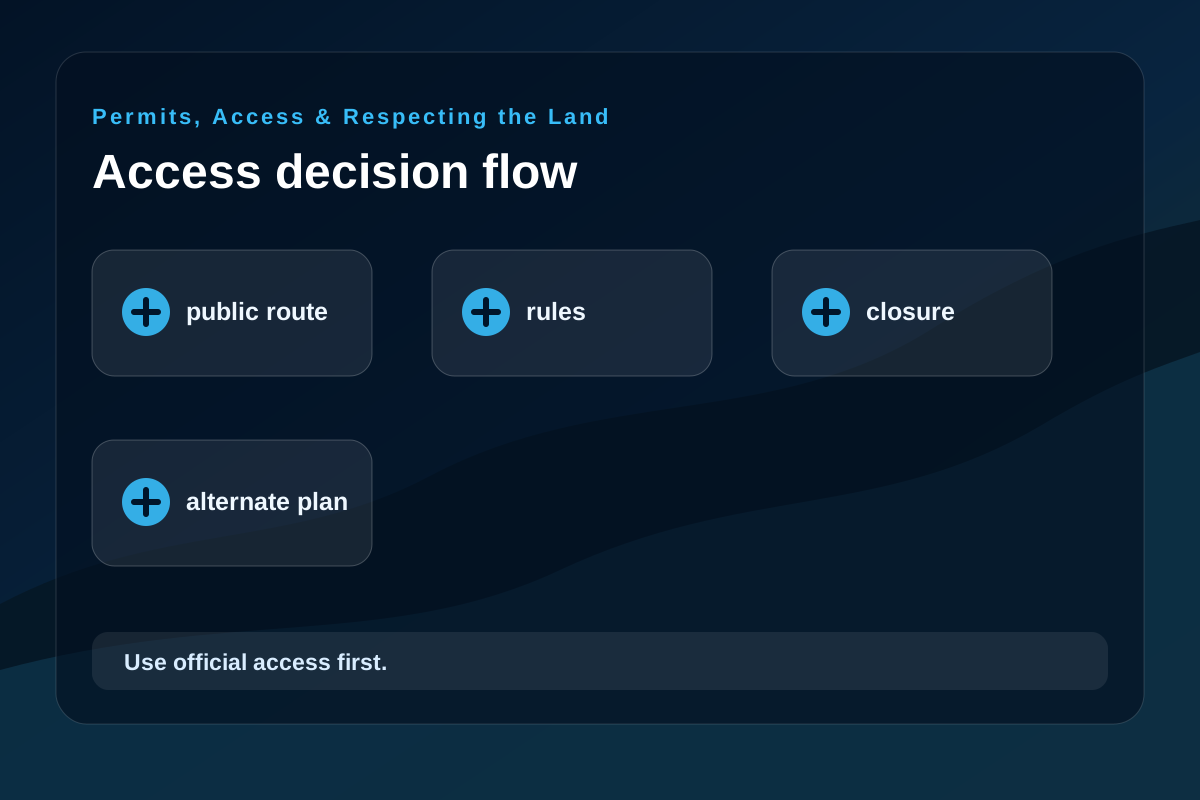
Some waterways are public while the practical route to the water is not. Shorelines, trails, bridges, dams, and adjacent parcels can have separate ownership and restrictions.
- Avoid crossing fences, yards, active work zones, rail corridors, and restricted utility areas.
- Do not assume a map pin means there is a lawful route to the edge.
- Use designated trailheads, public parking, and marked access points where available.
- Respect landowners, neighbors, staff, and other visitors.
3. Closures usually have a reason
Closures can follow injuries, rescues, crowding, erosion, habitat damage, fire danger, or water-management work. Ignoring them can make a spot harder to reopen.
- Treat closure signs and ranger guidance as final for that visit.
- Do not publish workarounds around gates, fences, or staff instructions.
- Check for temporary closures after storms, fire risk, construction, or water releases.
- Share updated closure information with others instead of testing the boundary.
4. Keep low-impact behavior visible
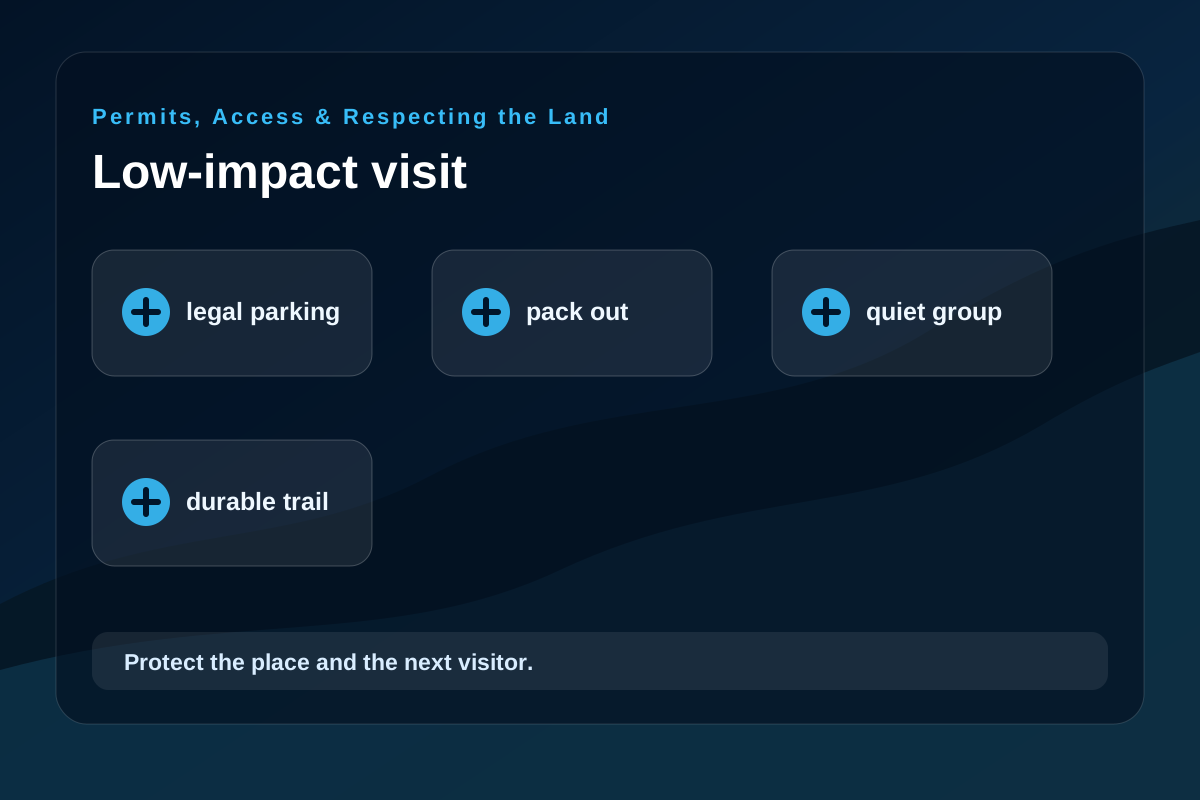
Responsible use helps protect access. The basics are simple: keep groups small, keep noise down, pack out trash, stay on durable surfaces, and avoid drawing unwanted attention to fragile places.
- Pack out food, cans, towels, tape, shoes, and broken gear.
- Avoid loud music, blocked roads, and crowded neighborhood parking.
- Use durable paths and avoid trampling vegetation or unstable slopes.
- Leave sensitive access details out of public posts when a location is fragile.
5. Plan for corrections and uncertainty
Access information changes. A good guide should help you verify, not replace the need to check current local rules before visiting.
- Compare iCliffDive notes with official sources before you go.
- Call or check with local managers when rules are unclear.
- Send corrections when a listing has outdated access, parking, or closure information.
- Avoid treating old trip reports as current permission.
6. Protect the next visitor
Good access behavior is bigger than one outing. Every visit affects how land managers, neighbors, and future visitors experience the spot.
- Leave room for emergency access and local traffic.
- Keep groups away from sensitive wildlife, restoration areas, and private structures.
- Help new visitors understand posted rules without escalating conflict.
- Choose another location when your visit would add pressure to an already stressed area.
Permits, Access & Respecting the Land FAQs
Can I jump if there is no sign saying not to?
No sign does not always mean public access. Check land ownership, park rules, closures, parking rules, and the legal route to the water before visiting.
What should I do if a spot is closed?
Respect the closure and choose another plan. Closures may be temporary, but ignoring them can increase pressure and make reopening harder.
Should I share hidden access details online?
Be careful. Publishing sensitive routes can increase crowding, conflict, and damage. Share official access points and responsible planning context instead.
How can I report outdated access information?
Use the contact route or correction flow available on the site, and include the spot name, current rule source, date checked, and what changed.